Travel is often seen as an escape—a break from routine, a chance to relax, and an opportunity to experience new cultures. But beyond the scenic landscapes and cultural immersion lies another powerful dimension of travel: science. Every destination on Earth tells a scientific story, from the formation of mountains to the behavior of ecosystems. When travel and science intersect, exploration becomes not just enjoyable, but deeply enlightening.
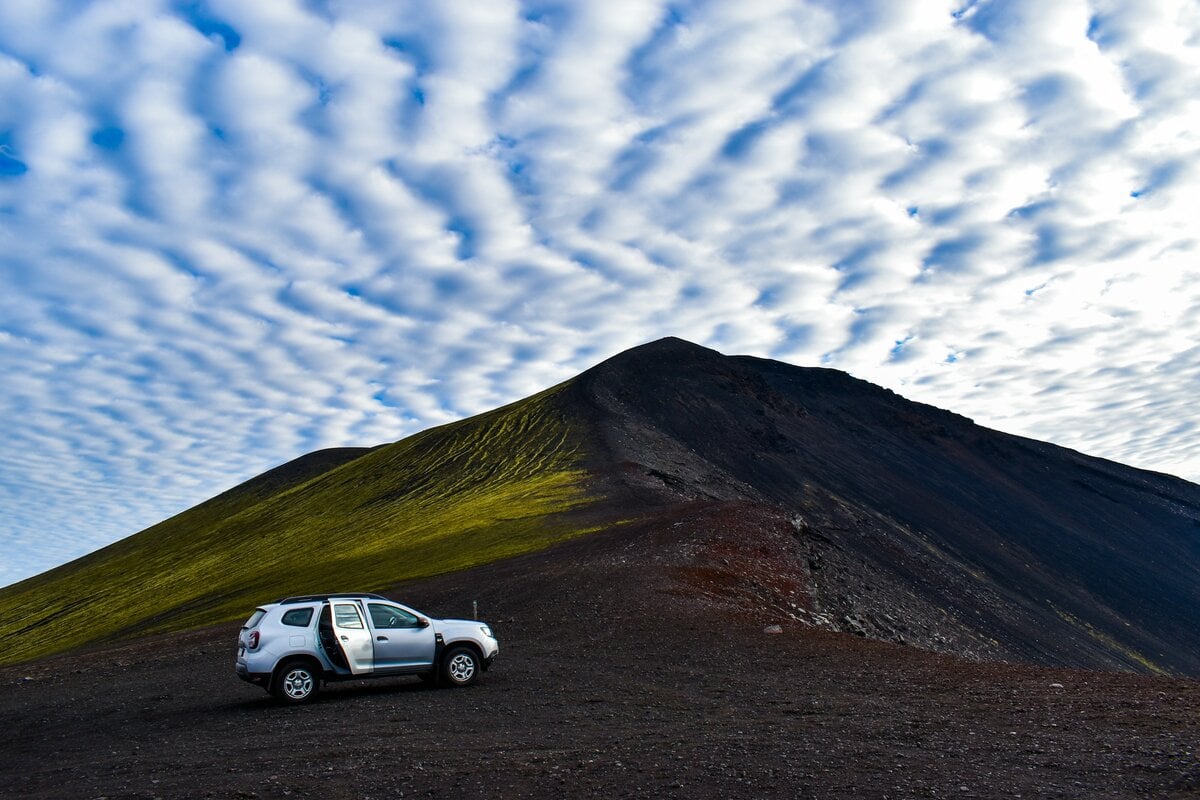
Consider the landscapes we often admire. Towering mountains, vast deserts, and dramatic coastlines are not just beautiful—they are the result of millions of years of geological processes. The Himalayas, for example, continue to rise as tectonic plates collide beneath the Earth’s surface. Visiting such places allows travelers to witness geology in action, turning a scenic view into a living classroom. Understanding these processes adds depth to the experience, making each destination more meaningful.
Similarly, travel offers a unique window into biodiversity. Different regions of the world host distinct ecosystems, each shaped by climate, geography, and evolutionary history. A trip to the Amazon rainforest introduces travelers to one of the most diverse biological environments on the planet, while a visit to the Arctic reveals how life adapts to extreme cold. Observing wildlife in its natural habitat fosters a deeper appreciation for the delicate balance of ecosystems and the importance of conservation.
Climate science also plays a significant role in shaping travel experiences. Weather patterns, ocean currents, and seasonal changes influence when and how we travel. For instance, monsoon seasons in South Asia or hurricane seasons in the Caribbean are governed by complex atmospheric systems. Being aware of these patterns not only helps travelers plan better but also highlights the interconnected nature of Earth’s climate. In recent years, the visible impacts of climate change—such as melting glaciers and rising sea levels—have made scientific awareness even more crucial for responsible travel.
Space and astronomy add yet another layer to the travel-science connection. Certain destinations are renowned for their clear skies and minimal light pollution, making them ideal for stargazing. Places like high-altitude deserts or remote islands offer breathtaking views of the night sky, allowing travelers to observe constellations, planets, and even the Milky Way. These experiences can spark curiosity about the universe and our place within it.
Even urban travel has its scientific aspects. Cities are hubs of innovation, architecture, and engineering. From sustainable buildings to advanced transportation systems, modern cities showcase how science and technology shape human life. Visiting science museums, research centers, or even historic landmarks can provide insight into how scientific advancements have influenced society over time.
One of the most powerful aspects of combining travel with science is the shift in perspective it creates. Instead of passively observing a destination, travelers become active learners. A beach is no longer just a place to relax—it’s an ecosystem influenced by tides, marine biology, and coastal erosion. A forest becomes a network of interdependent species rather than just a scenic backdrop.
This approach also encourages more responsible travel. When people understand the science behind natural environments, they are more likely to respect and protect them. Simple actions, such as minimizing waste, respecting wildlife, and supporting sustainable tourism, can have a meaningful impact.
In essence, travel and science together transform the way we see the world. They remind us that every destination is more than just a place—it’s a story shaped by natural forces, scientific principles, and time. By embracing this perspective, travel becomes not only a journey across distances but also a journey into understanding the world itself.








 Galib Mammad