College sports are a very big deal and many people get just as engaged in college sports as they do in professional sports. Recently, people have started to debate whether or not student athletes should be paid. Universities make a lot of money off of big sports programs and some think that it’s sensible that the athletes should be compensated. This is a hot topic and it’s also a very complex one that needs to be considered from a few different angles. The Majority of Students Support Student Athletes Getting Paid Recently, a survey was conducted that showed that college students support the idea of student athletes getting paid. Most people feel that student athletes are basically workers who are not getting compensated. Famous athletes such as Lebron James support the idea of student athletes receiving pay for their work. Political figures such as Vermont senator Bernie Sanders think that students deserve to be paid because what they’re doing for the universities should be considered work. Most college administrators are totally against the idea, though. They see this as something that shouldn’t be an issue and note that the student athletes are not professionals. These are students playing other students and not paid professionals facing other paid professionals. While the universities might see this as a cut-and-dry issue, this doesn’t mean that the topic is going away any time soon. The majority of students support the right of college student athletes to be paid for their efforts. They also support the right of these student athletes to profit using their names or images. When athletes are polled about the topic, they overwhelmingly support the idea of being able to profit off of such things. So what is the right thing to do in this situation? Potential Consequences There are some states that are more seriously considering paying student athletes. California is one that has been looking into this issue for quite some time now. If California passed a law saying that student athletes can be paid for their efforts, then that would change things a lot. It would cause some schools to have advantages over others when it comes to recruitment and other areas. If some universities started paying college athletes, then all of them would have to start paying college athletes. It could turn into an issue of who was able to pay an athlete more or which schools were in states with favorable laws that allowed them to give more financial compensation to student athletes. You can see where this might negatively impact college sports. The question of whether student athletes should be paid is something that will be determined by lawmakers over the next several years regardless of which side you agree with.
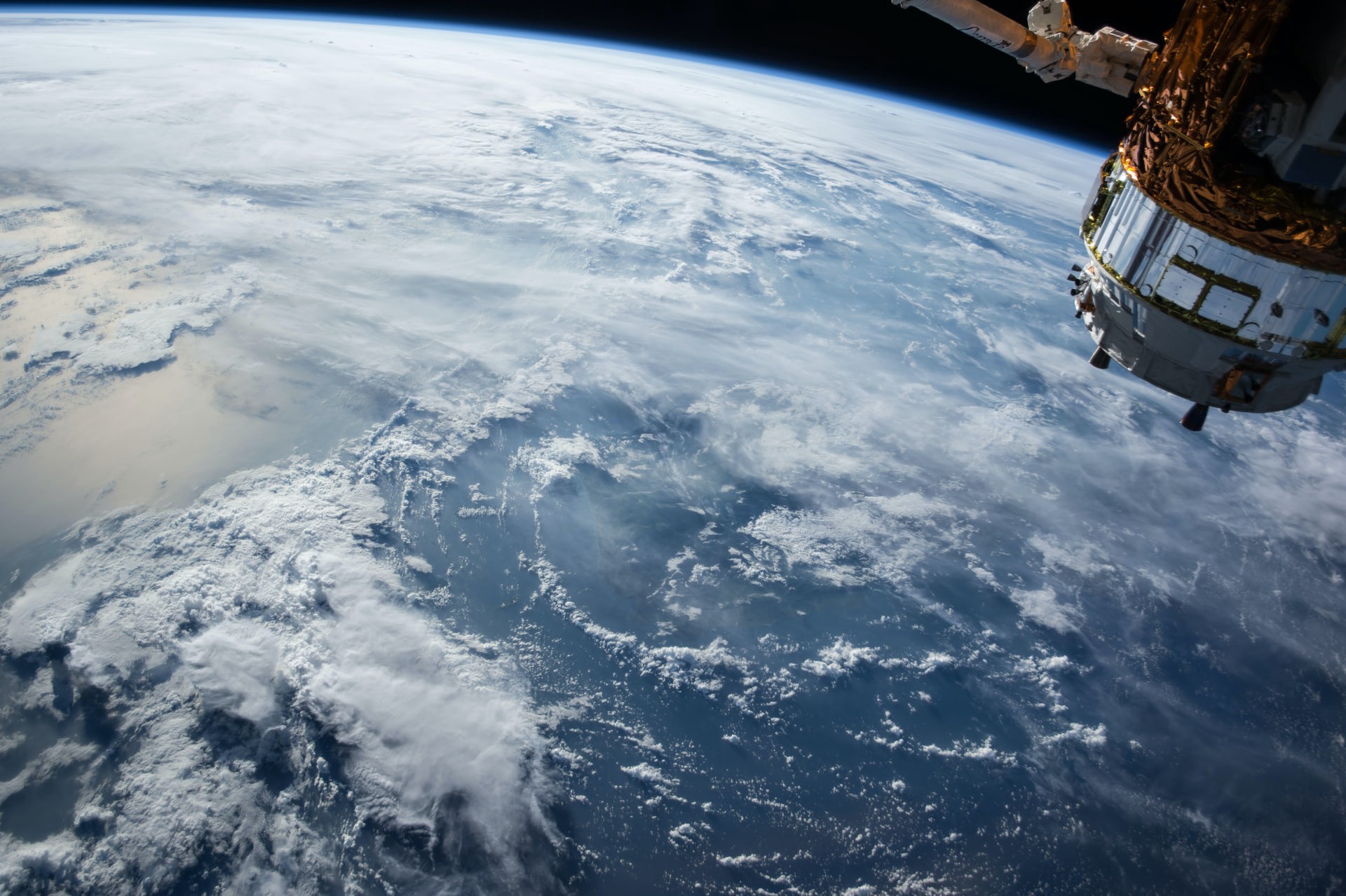
You might not be aware of this yet, but NASA is working on a potential interstellar mission that will occur sometime in the middle of this century. A man by the name of Ralph McNutt has been working on an interstellar probe that will leave this solar system. It has been in the works for a very long time. McNutt is currently sixty-five and has been dreaming of making a huge leap such as this since he was a young man. Currently, around two hundred scientists from around the world are working on this project.
Beginning in the 2030s
If all goes as planned, this interstellar mission is going to begin in the 2030s. It should start with the launch of several nuclear-powered spacecraft that have been designed to go faster than any spacecraft has ever gone. This mission would see the proposed probe travel past Jupiter and the sun. It could even allow NASA to get more information about some of the unexplored worlds that are beyond Pluto.
Somewhere around ten years after this probe is launched, it is going to try to exit the solar system. To do this, the probe is going to need to pierce what is known as the heliosphere. This is a region that forms a sort of cocoon around the solar system due to particles that flow from the sun. Some refer to the heliosphere as the solar winds.
Scientists will be able to gain a greater understanding of the heliosphere as the interstellar probe travels further. By sometime in the 2080s, this probe should allow scientists to get a great view of the heliosphere, and the potential for discoveries about the nature of this solar system’s heliosphere is massive. This is a big undertaking, and many people are working hard to ensure that it can launch successfully. Having a little over a decade to prepare will hopefully be enough to get everything ready and mapped out.
Renewed Interest in Space Travel
The renewed interest in space travel has caused many to start looking to the stars again. This proposed interstellar mission is just one of the many exciting things happening in space currently. Humanity might be on the cusp of making many significant scientific discoveries that will allow for great space exploration possibilities. The work of men such as McNutt and their dreams to go into the stars for answers continue to push humanity forward technologically.
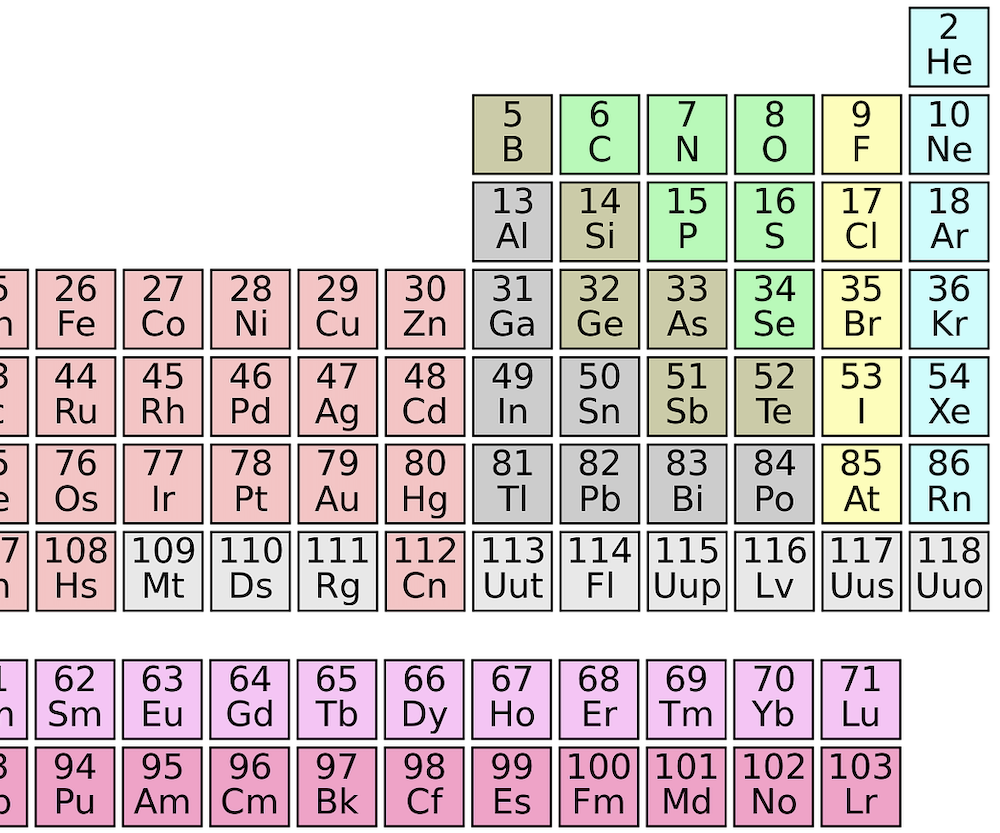
The periodic table of the elements is such an essential part of science. Anyone who has taken a chemistry class in high school will be familiar with this periodic table. It was actually created 150 years ago by a Russian chemist named Dmitrii Ivanovich Mendeleev. Mendeleev’s contributions to science are undeniable, and this history of this periodic table is very interesting.
Created in a Single Day
One of the most interesting aspects of the history of the periodic table is that it was supposedly thought up and created in just one day. It only took Mendeleev a single day to come up with the idea for the periodic table, and then he created it that very same day. It is said that he created it on February 17, 1869. Keep in mind that his ability to conceive and create the periodic table in one day could be an exaggeration and that there is no way to verify it one way or another.
The Early Days
The early days before the creation of the periodic table are worth mentioning as well. In 1817, chemists were still struggling to understand atoms and how they worked. A German chemist named Johann Wolfgang Dobereiner noted that some strange things were going on with specific groupings of elements. He noticed important differences in atomic weight while observing the chemical behavior of bromine, chlorine, and iodine.
Eventually, this helped chemists to think about links between the atomic weights and chemical properties. It took until the 1860s for atomic weights to be understood to a great degree. Organizing the elements and creating a mathematical map was something that several people attempted to do. It wasn’t until Mendeleev that this was actually accomplished satisfactorily, though.
Many great scientists would use the periodic table to gain a greater understanding of atoms. They contributed to the groundwork that was laid out by Mendeleev all the way back in 1869. Make no mistake that the creation of the periodic table was a game-changer for scientists. It allowed people to think about the elements in new ways, and it also allowed people to consider undiscovered elements.

 Galib Mammad