Travel and science may seem like two completely different worlds, but throughout history, they have been deeply connected. Every major scientific breakthrough—from discovering new species to understanding climate patterns—has relied on exploration. In many ways, travel is the engine that drives science forward.
Long before satellites and advanced technology existed, scientists had to physically journey across oceans, deserts, forests, and mountains to study the world around them. Charles Darwin’s famous voyage aboard the HMS Beagle is one of the best-known examples. His travels through South America and the Galápagos Islands helped shape the theory of evolution, forever changing biology and medicine. Without travel, some of the most important scientific ideas in human history may never have emerged.
Even today, scientists continue to travel in pursuit of knowledge. Marine biologists dive into coral reefs to study ocean ecosystems, astronomers journey to remote deserts for clearer views of the night sky, and climate researchers venture into the Arctic to monitor melting glaciers. Scientific progress often depends on observing environments firsthand, collecting data, and experiencing conditions directly rather than relying solely on laboratory simulations.
Travel also encourages collaboration between cultures and nations, which is essential in modern science. International conferences, research expeditions, and exchange programs allow scientists from different backgrounds to share discoveries and solve global challenges together. The development of vaccines, renewable energy technology, and space exploration programs all benefit from international cooperation. When people travel, ideas travel with them.
One of the most fascinating intersections of travel and science is space exploration. Astronauts represent the ultimate scientific travelers, venturing beyond Earth to expand human understanding of the universe. Missions aboard the International Space Station have provided groundbreaking insights into physics, medicine, and human biology. What once seemed like science fiction has become reality because humanity never stopped exploring.
Travel also changes the way ordinary people think about science. Visiting natural history museums, national parks, observatories, or archaeological sites can inspire curiosity and learning in ways textbooks cannot. Seeing the Northern Lights in Iceland or exploring volcanic landscapes in Hawaii can spark interest in geology, astronomy, and environmental science. Experiencing the world firsthand often makes scientific concepts more meaningful and memorable.
At the same time, science improves travel itself. Advances in aviation, GPS technology, weather forecasting, and sustainable transportation have transformed how people move around the globe. Scientific innovation has made travel safer, faster, and more accessible than ever before. Today, someone can fly across continents in hours, navigate unfamiliar cities using satellites, and even experience virtual tours powered by artificial intelligence.
However, the relationship between travel and science also raises important questions about sustainability. Increased tourism contributes to carbon emissions and environmental strain, especially in fragile ecosystems. Scientists are now working to develop greener technologies and encourage eco-conscious travel practices that protect the very places people wish to explore.
Ultimately, travel and science share the same purpose: discovery. Both push humanity beyond familiar boundaries and encourage curiosity about the unknown. Whether it is a scientist trekking through the Amazon rainforest or a traveler learning about another culture, exploration expands our understanding of the world—and ourselves.
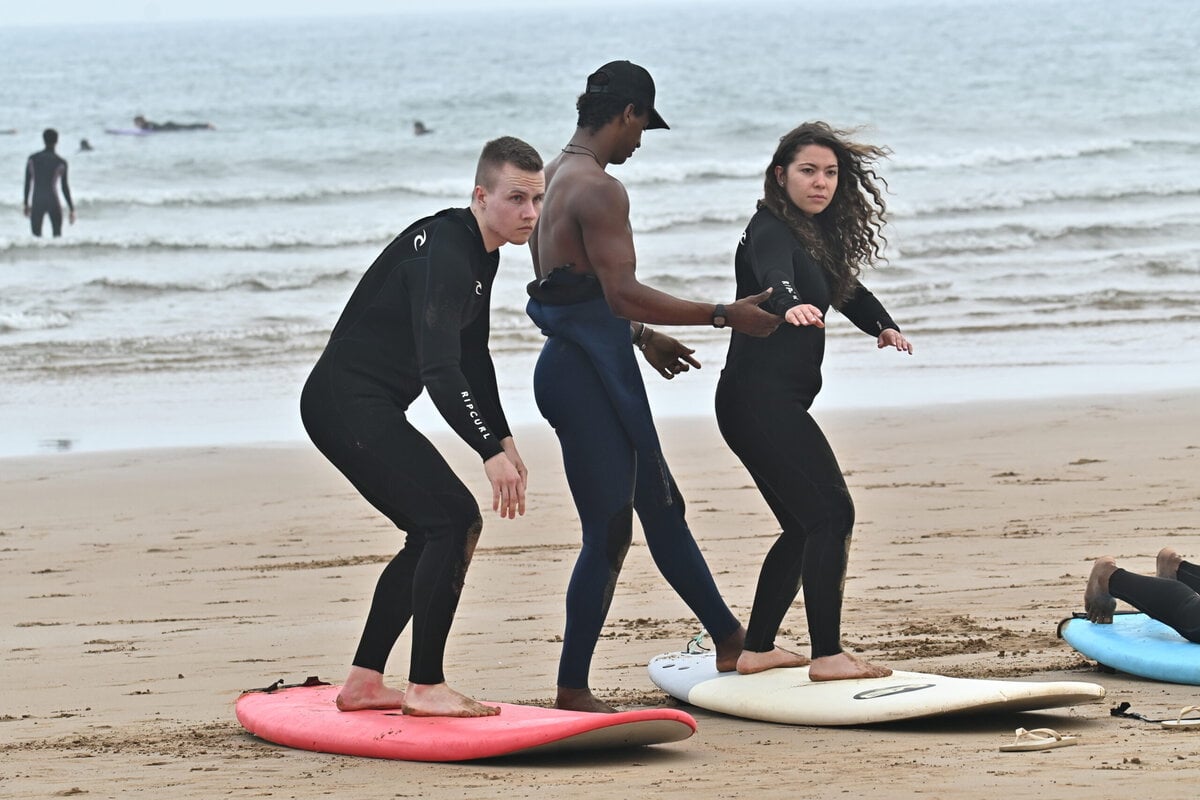
Surfing in Taghazout Bay: learn to ride Atlantic waves on Morocco’s most consistent stretch of coast, with warm water, readable breaks, and expert local instruction year-round.
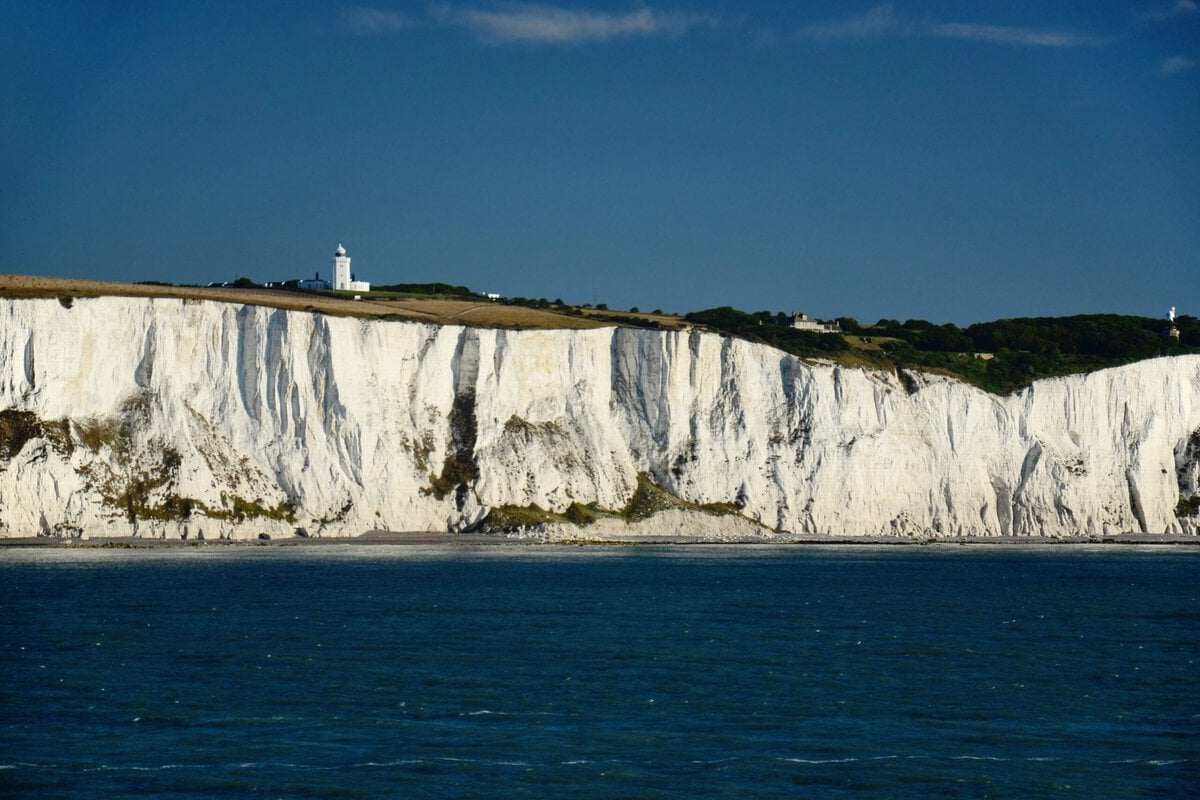
Ninety minutes on the water, and you are in France. No security trays, no departure gates, no overhead locker battles. You drive onto a ship in Kent and off it in Calais, with the whole of mainland Europe spread out ahead. For anyone planning an overland trip — south toward Paris, east into Belgium, deeper […]
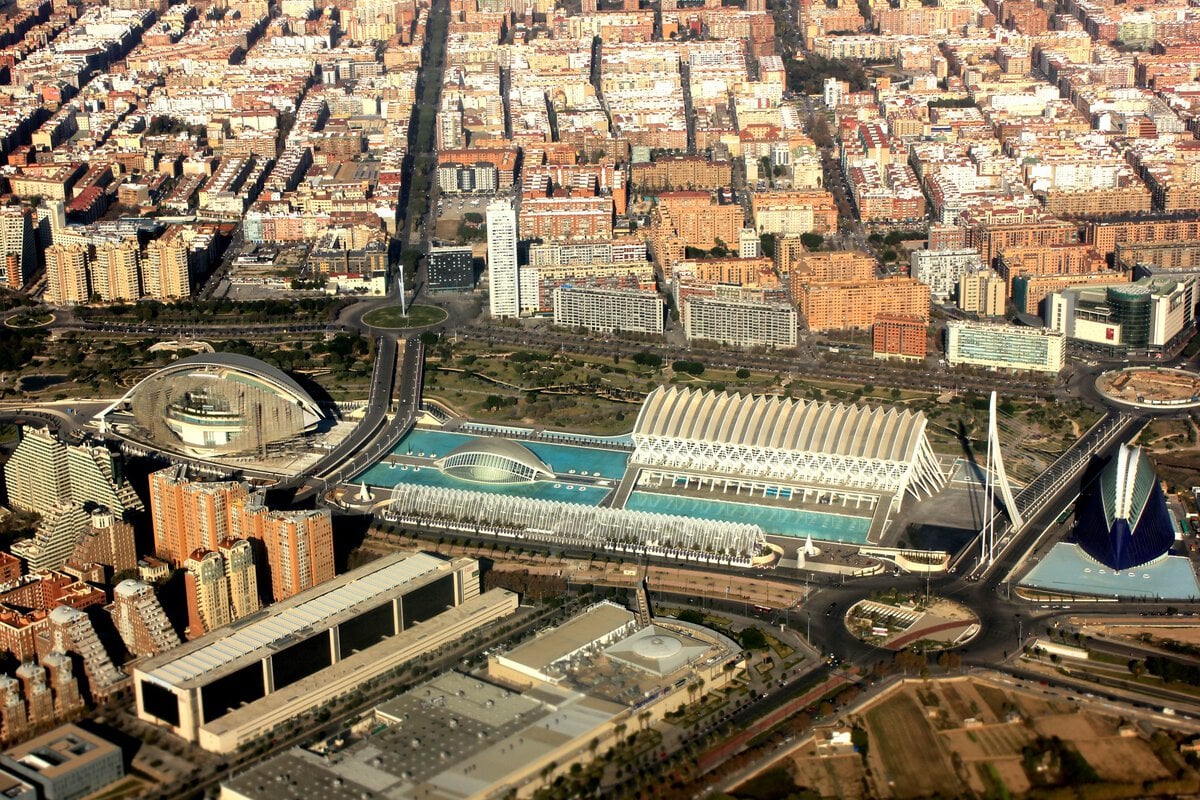
Slow your family’s pace in Valencia with parks, beaches, and evening walks that create relaxed routines, deeper connection, and gentle discovery for kids and adults across easy, unhurried days.